7 Interior Design Trends for Contemporary Living
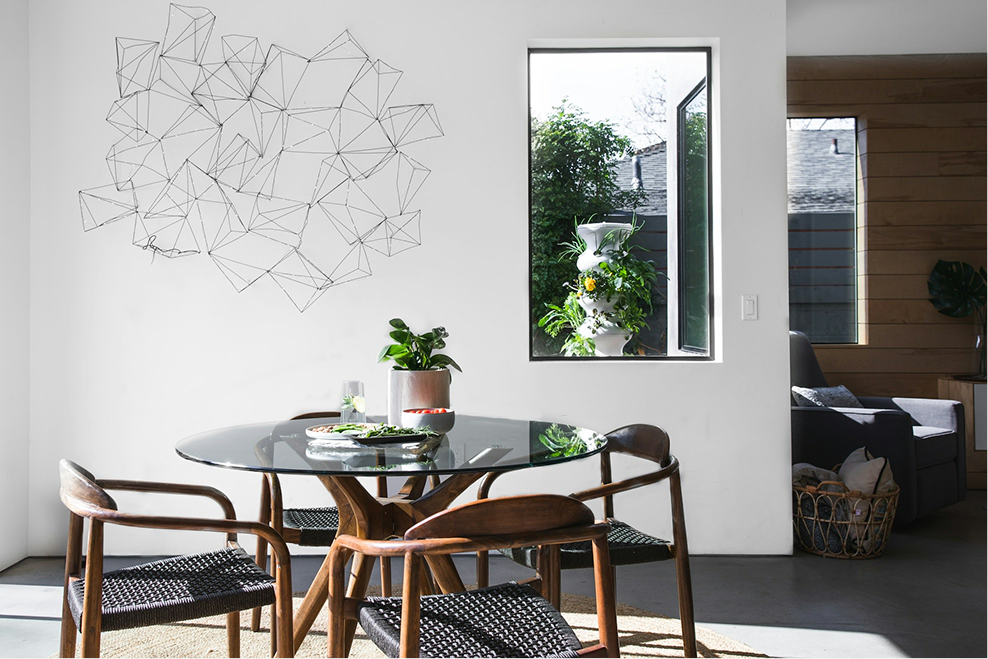
Interior design is constantly evolving, shaped by changes in lifestyle, technology, and the way people use their homes. Contemporary living spaces today are no longer defined only by aesthetics—they must also be functional, flexible, and comfortable for everyday life.
At Archcraft, we focus on trends that are not just visually appealing, but also practical and long-lasting. The goal is to create interiors that feel modern today and remain relevant for years to come.
1. Warm Minimalism
Minimalism is no longer about cold, empty spaces. The modern interpretation focuses on warmth, comfort, and livability while still maintaining simplicity.
Clean lines, uncluttered layouts, and neutral palettes are combined with natural materials like wood, linen, and stone. The result is a space that feels calm and organized without being sterile or impersonal.
Soft lighting and textured finishes also help bring warmth into minimalist interiors, making them more inviting for daily living.
2. Sustainable and Eco-Friendly Materials
Sustainability has become a major influence in interior design. Homeowners are increasingly choosing environmentally responsible materials that reduce environmental impact while maintaining high quality.
Reclaimed wood, recycled surfaces, low-VOC paints, and energy-efficient systems are becoming standard choices in modern projects. These materials not only benefit the environment but also contribute to healthier indoor living conditions.
Sustainable design is no longer a niche trend—it is becoming a long-term standard in contemporary architecture and renovation.
3. Multifunctional Living Spaces
Modern homes must adapt to different needs throughout the day. With remote work, family life, and entertainment often happening in the same space, multifunctional design has become essential.
Open-plan layouts, modular furniture, and flexible room divisions allow spaces to serve multiple purposes without feeling crowded or disorganized.
For example, a living room can function as a workspace during the day and transform into a relaxing entertainment area in the evening with minimal adjustments.
4. Statement Lighting as a Design Feature
Lighting is no longer just functional—it is now a key design element. Statement lighting fixtures are used as focal points that define the character of a space.
Oversized pendant lights, sculptural chandeliers, and layered lighting systems add personality and depth to interiors. When combined with natural light, they create dynamic environments that change throughout the day.
Thoughtful lighting design enhances both aesthetics and usability, making it one of the most important elements in contemporary interiors.
5. Natural Textures and Organic Finishes
Modern interiors are moving away from overly polished and artificial surfaces toward more natural and tactile materials.
Wood grains, stone textures, woven fabrics, and matte finishes bring a sense of authenticity and warmth into the home. These elements create a stronger connection to nature, which is increasingly valued in urban living environments.
The combination of different textures adds visual interest without relying on bold colors or complex patterns.
6. Smart Home Integration
Technology is becoming an integral part of interior design. Smart home systems allow homeowners to control lighting, temperature, security, and entertainment with ease.
These systems improve convenience, energy efficiency, and overall comfort. Hidden wiring, integrated controls, and minimalist interfaces ensure that technology enhances the design rather than distracting from it.
As smart systems become more accessible, they are becoming a standard feature in modern renovations and new builds.
7. Bold Accent Features
While overall design trends lean toward simplicity, bold accent features are used to add personality and visual impact.
This can include a feature wall, a unique material finish, colorful furniture, or artistic décor elements that stand out against a neutral background.
The key is balance—accent features should enhance the space without overwhelming it. When used correctly, they create memorable interiors that reflect individual style.
Designing for Modern Living
Contemporary interior design is about finding the balance between beauty, comfort, and functionality. Trends may evolve, but well-designed spaces always prioritize how people live, move, and interact within their environment.
At Archcraft, we focus on creating interiors that are not only aligned with current trends but also built to last. By combining thoughtful design, quality materials, and practical solutions, we deliver spaces that adapt to modern lifestyles while maintaining long-term value and appeal.
Great design is not just about following trends—it’s about creating environments that improve everyday life.